
With COVID infection rates exploding and hospitalization rates increasing as we go into the cold winter season, the threat this positions to our recuperating housing market is a concern that must be resolved. In a previous post, I determined infection rates during the winter months as one of the economy’s high-risk variables.
Before COVID-19 hit our shores, we were trending at 10%growth, operating at cycle highs in need. The housing heat months for the MBA purchase application data are from the second week of January to May’s very first week. Typically, after Might, total volumes fall as seasonality starts. We had double-digit development till March 18.
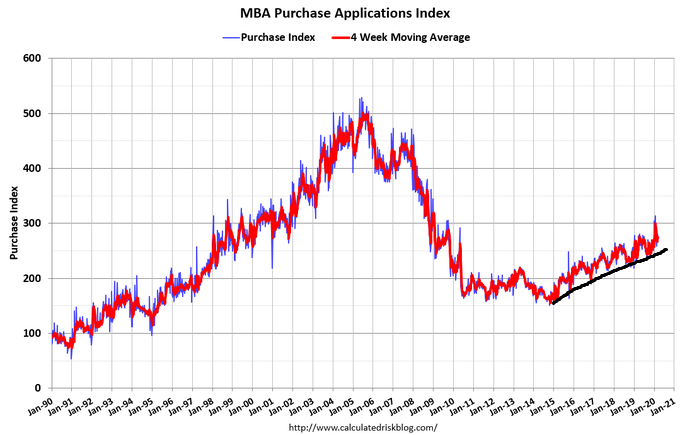
Then COVID-19 hit and we had 9 consecutive weeks of year-over-year declines. The fear of the virus, the stay-at-home orders, a collapsing stock exchange and a rising financial stress index all played a part in the market’s quick decimation. 4 weeks into the decline, the marketplace stabilized, and the rate of decrease stopped, then started to recuperate over the next five weeks.
We eventually turned positive on a year-over-year basis and got a real V-shape healing, despite all the Housing Bubble Boys’ protestations calling for a crash. You may have heard whispers about a “W-shape market,” meaning a decline after the healing. However instead, we have had 25 straight weeks of year-over-year development, averaging over 20%.
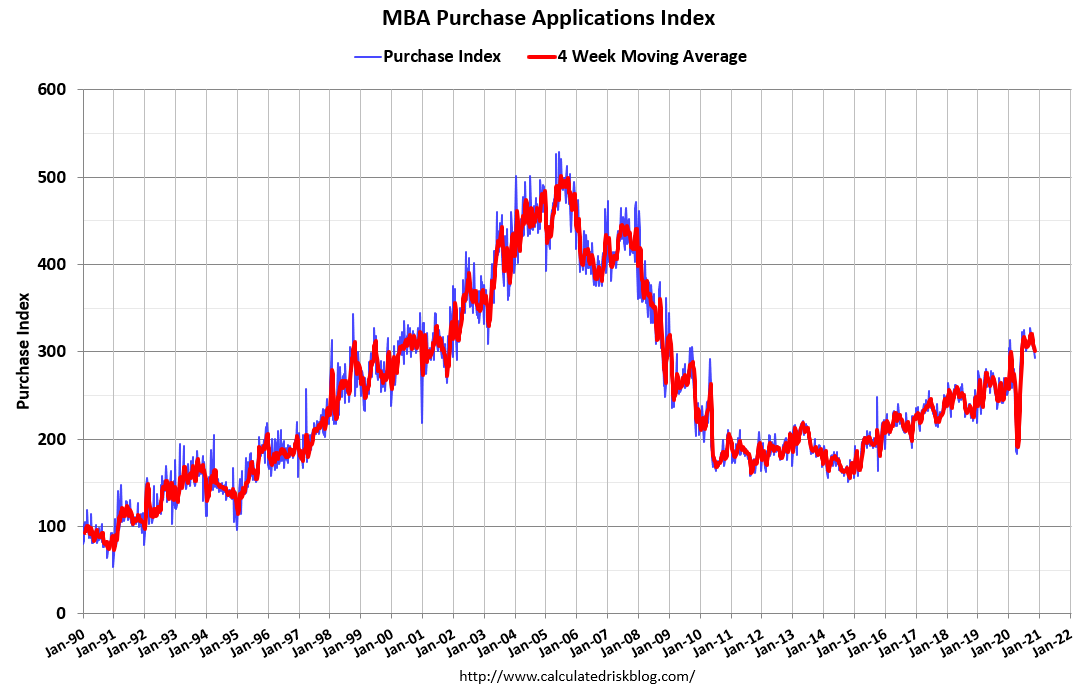
I expected the year-over-year purchase application data growth to be moderate, but up until now, it has advanced its 20%year-over-year growth trend for 25 weeks. Much of this development can be ascribed to cosmetics demand for the nine weeks of decreases we saw in the standard heat months. Overall volumes that would normally fall after May are finally showing some of the typical seasonality factors with this data line.
In November and December, the year-over-year development should moderate, and the rise in cases could assist in this small amounts.
For the last six weeks, purchase applications have actually been up by double digits compared to2019 Keep in mind, this metric is positive by 30-90 days.
16
25%
24%
26%
24%
22%
We always want to watch on the year-over-year growth information. With rising cases and more limitations being put in place, the question remains whether the housing market will be negatively affected in the brief term.
Just how much house can I afford to purchase?
For numerous, the homeownership journey realistically starts by attempting to determine how much house you can pay for.
Presented by: Citi Home Loan
The answer is, yes, it could be adversely impacted, but two aspects will keep it from appearing like it did in late March and April.
First, we’ve all been here before.
And second, COVID tests are more extensively available, treatment for infections show excellent guarantee, and effective vaccines seem just around the corner.
For these reasons, the infection and society have actually reached a kind of detente. We still need to be cautious and mindful, but we no longer have the energy to keep stringent vigilance. Also, the raw shock and fear of having an active infection entered our economy, which was working from the longest financial expansion ever tape-recorded in history, can’t be duplicated.
Greater infection rates and the resumption of shut-down procedures can drive development into single digits compared to in 2015, but we must still see development.
Low mortgage rates and the most respected housing group spot ever in U.S. history (ages 26-32 are the most significant in America) will soften any recession in the market due to COVID-19 Next year, a vaccine and much better treatments– as soon as distributed– will have confidence roaring back.
The monetary markets appear to agree with my evaluation that housing and the economy will stay stable, in spite of the current COVID-19 rises.
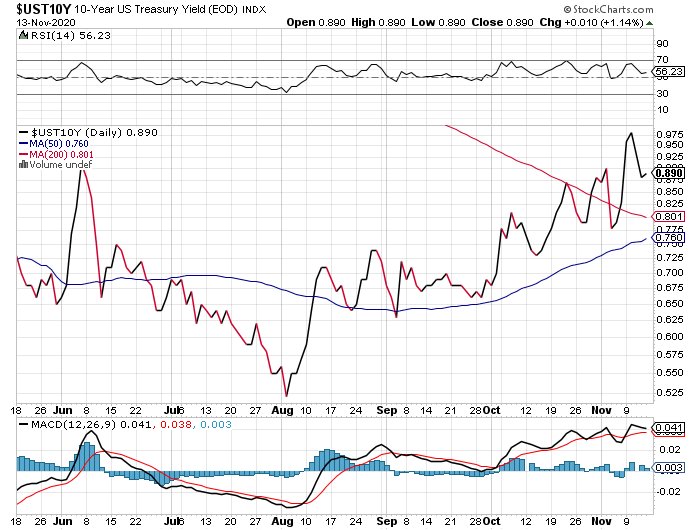
Last Friday, the stock market hit an all-time high, and last week the 10- year yield hit a recent high of 0.
On March 9 2020, the bond market was trading at 0.
Another step of confidence, the St. Louis Financial Stress Index, has been declining after the initial spike earlier in the year.
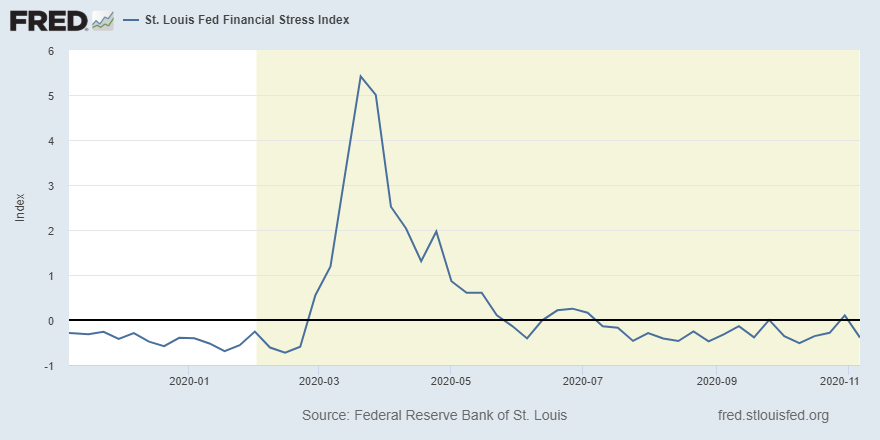
The bond market, the stock market, and stress signs all held up OK with the second surge of infections we had a few months ago.
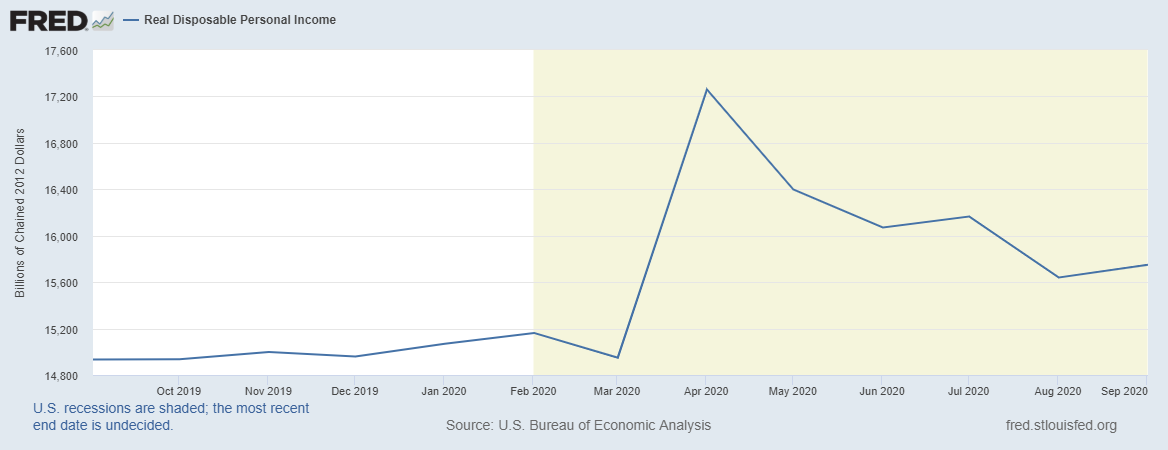
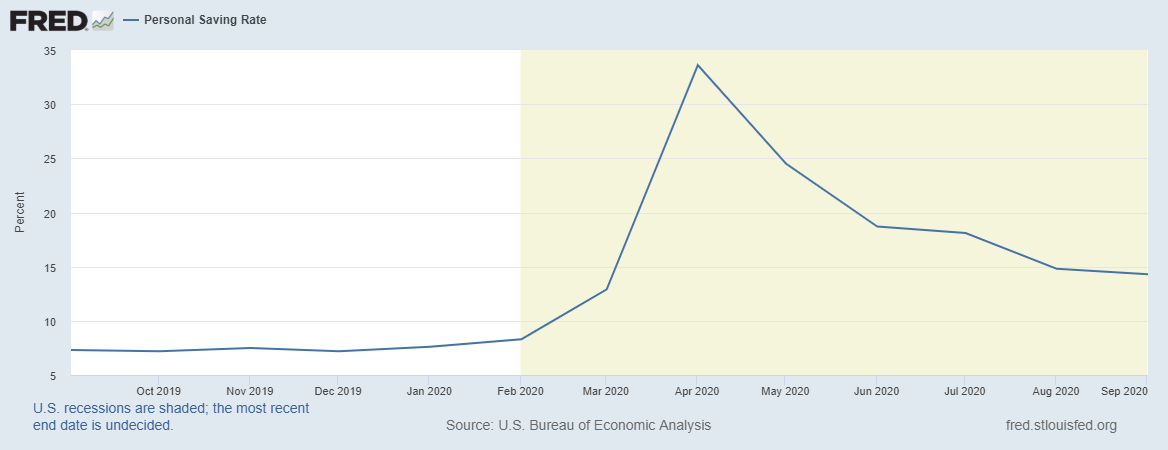
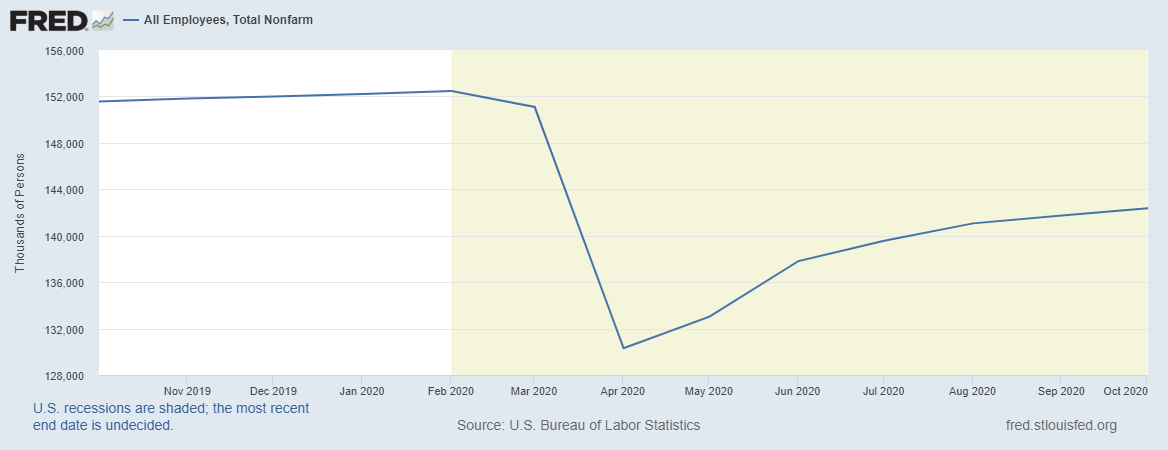
Even if we had actually not experienced a boost in COVID-19 cases, I would anticipate real estate information to moderate. The parabolic growth in a few of the real estate metrics isn’t normal. So we might see more moderation in the year-over-year development for the purchase application data to bring these numbers back to the pre-COVID-19 pattern.
Be careful of housing bears attempting to bestow their housing crash and W-shaped theories when this happens.
We are practically through this. I still believe with my heart, mind, and soul what I wrote on April 7, 2020— our success might be postponed, however it is still within our grasp:
” I think the months of April and May are going to inform an epic story of America’s start in beating this infection. If we do this right and record the cause and effect of our efforts, future generations will have the ability to want to this period in time for how to deal with an international pandemic. My faith in America winning has never ever let me down since I constantly believe in my people and country. I can tell you now, this virus isn’t changing my view on that.”
Comments
Post a Comment